[ad_1]
The rollout of fifth-generation (5G) wireless technology marks a significant milestone in the evolution of telecommunications. As 5G networks become more prevalent, consumers can expect a transformative impact on various aspects of their daily lives, ranging from entertainment and healthcare to transportation and communication. This article delves into the implications of 5G technology and how it reshapes the consumer experience.

Enhanced Speed and Reliability
One of the most compelling features of 5G is its remarkable speed. While 4G networks typically offer download speeds of approximately 10 to 100 Mbps, 5G is poised to deliver data rates exceeding 1 Gbps, with theoretical peaks reaching up to 10 Gbps. This turbocharged connectivity means that consumers can download high-definition movies in seconds, stream ultra-high-definition (UHD) video without buffering, and enjoy near-instant access to online gaming.
Moreover, the reliability of 5G networks surpasses that of its predecessors. The improved signal strength and reduced latency—bringing response times down to as low as 1 millisecond—enhance the overall user experience, making activities like video conferencing, live gaming, and virtual reality (VR) applications more seamless. With 5G technology, interruptions caused by network congestion are likely to become a thing of the past.
The Rise of the Internet of Things (IoT)
5G technology acts as a catalyst for the expansion of the Internet of Things (IoT), a network of interconnected devices that communicate with each other. With its ability to support a significantly larger number of connected devices—estimates suggest up to one million devices per square kilometer—5G opens up new possibilities for smart homes, smart cities, and automated industries.
For consumers, this means that everyday objects—such as refrigerators, thermostats, and health monitoring devices—can become smarter and more responsive. Imagine a future where your refrigerator automatically orders groceries when you’re running low, or your smart thermostat learns your preferences and optimizes your home’s energy usage. The integration of IoT powered by 5G creates a more convenient, efficient, and personalized daily life.
Revolutionizing Healthcare
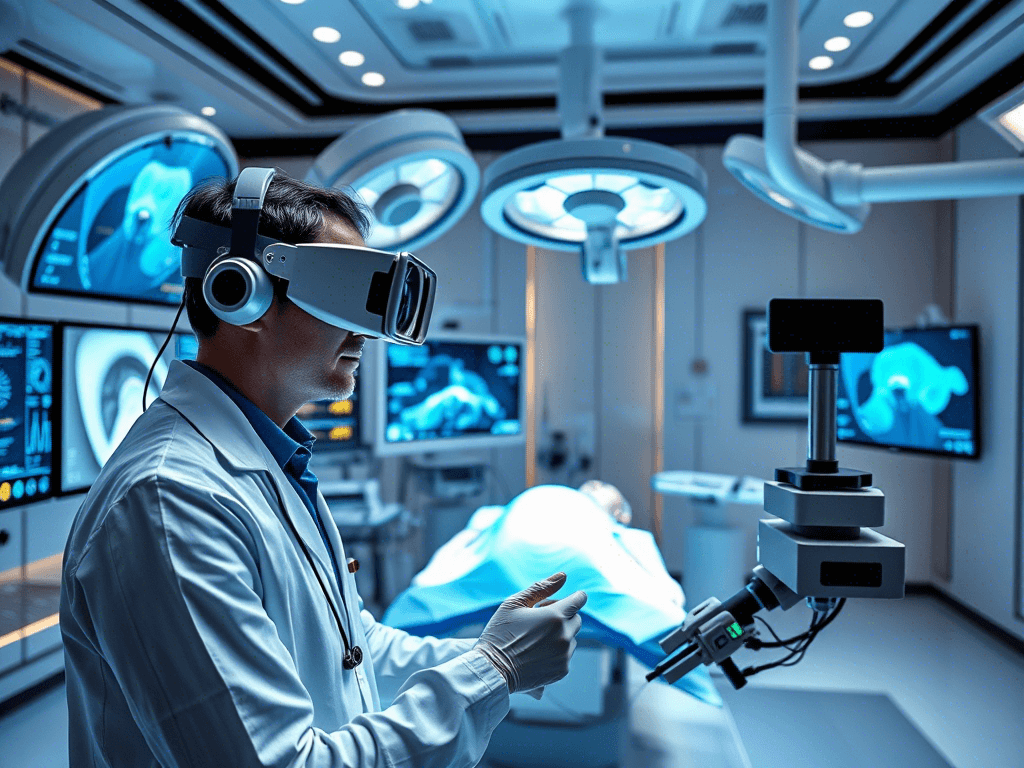
The healthcare industry stands to gain immensely from the enhanced capabilities of 5G technology. Telemedicine, which gained traction during the COVID-19 pandemic, is poised for a revolution as 5G improves the quality of video consultations and allows for remote monitoring of patients through connected devices.
Additionally, 5G can facilitate the real-time transmission of high-resolution medical imaging, enhancing diagnostic capabilities. For instance, surgeons could perform minimally invasive procedures with the help of augmented reality (AR) guided by 5G connectivity, allowing for more precise operations. Additionally, the rapid data transfer capabilities can enable innovations in remote surgery, where specialists can assist in procedures happening miles away.
Transforming Transportation
The transportation sector is entering a new era with the advent of 5G technology. Enhanced connectivity can power autonomous vehicles, which rely on fast data exchange between vehicles, infrastructure, and cloud systems to navigate safely and efficiently. With 5G, communication between vehicles can occur in real-time, significantly enhancing road safety and reducing traffic congestion.
Furthermore, 5G can improve public transportation systems through more efficient routing and scheduling, real-time tracking of vehicles, and better communication between drivers and passengers. As cities continue to grow, these enhancements are critical for creating smart and efficient urban environments.
Enabling Innovations in Entertainment
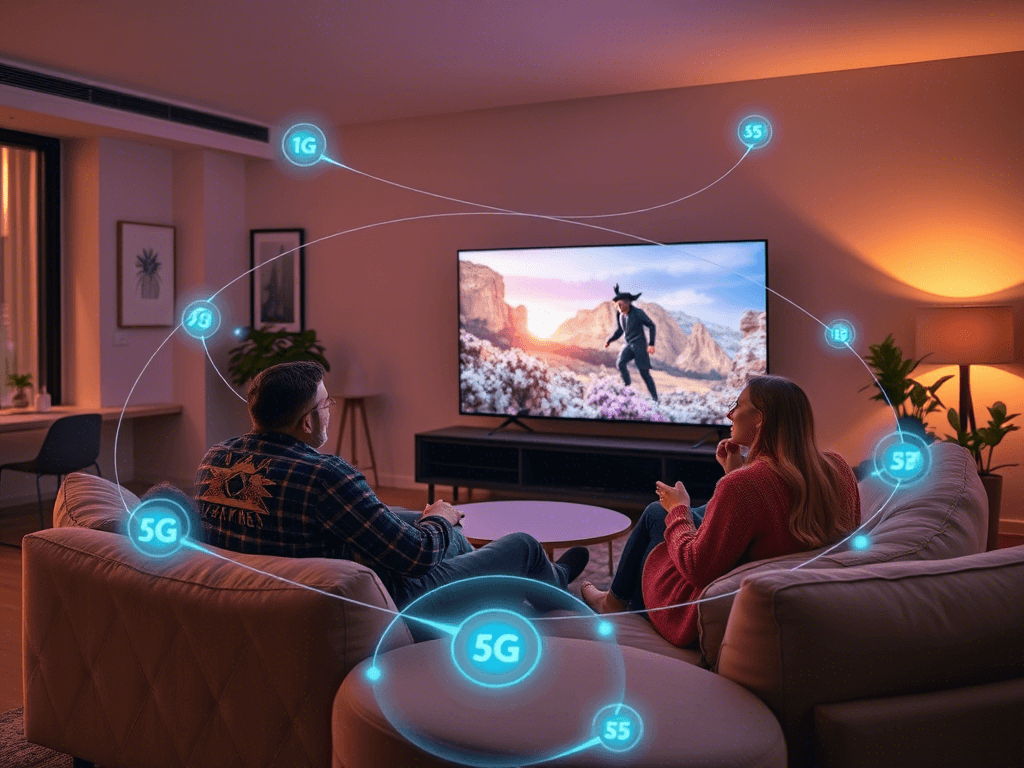
The entertainment landscape is also evolving with 5G. Faster internet speeds and reduced latency will enhance the quality of streaming services, making it possible for consumers to enjoy 8K streaming, virtual reality experiences, and immersive gaming without interruptions.
Moreover, 5G paves the way for online social experiences that allow users to engage in shared virtual environments or watch live events together in highly interactive formats. This technology can transform how audiences experience sports, concerts, and theatrical performances, fostering a greater sense of community and shared enjoyment.
Challenges and Considerations
While the benefits of 5G technology are numerous, several challenges remain. The need for infrastructure investment, regulatory hurdles, and concerns regarding cybersecurity and privacy present significant considerations for stakeholders in this new landscape. Additionally, there may be disparities in access, as urban areas might receive the technology more swiftly than rural areas, potentially exacerbating existing digital divides.
Conclusion
The deployment of 5G technology promises to reshape the consumer landscape in profound ways, enabling faster connectivity, fostering innovation, and enhancing everyday experiences. As the world continues to adapt to this new wave of technology, consumers will be at the forefront of a revolution, experiencing the benefits of connectivity that was once thought to be the realm of science fiction. The future of faster and smarter living is indeed on the horizon, heralded by the promise of 5G.
[ad_2]