[ad_1]
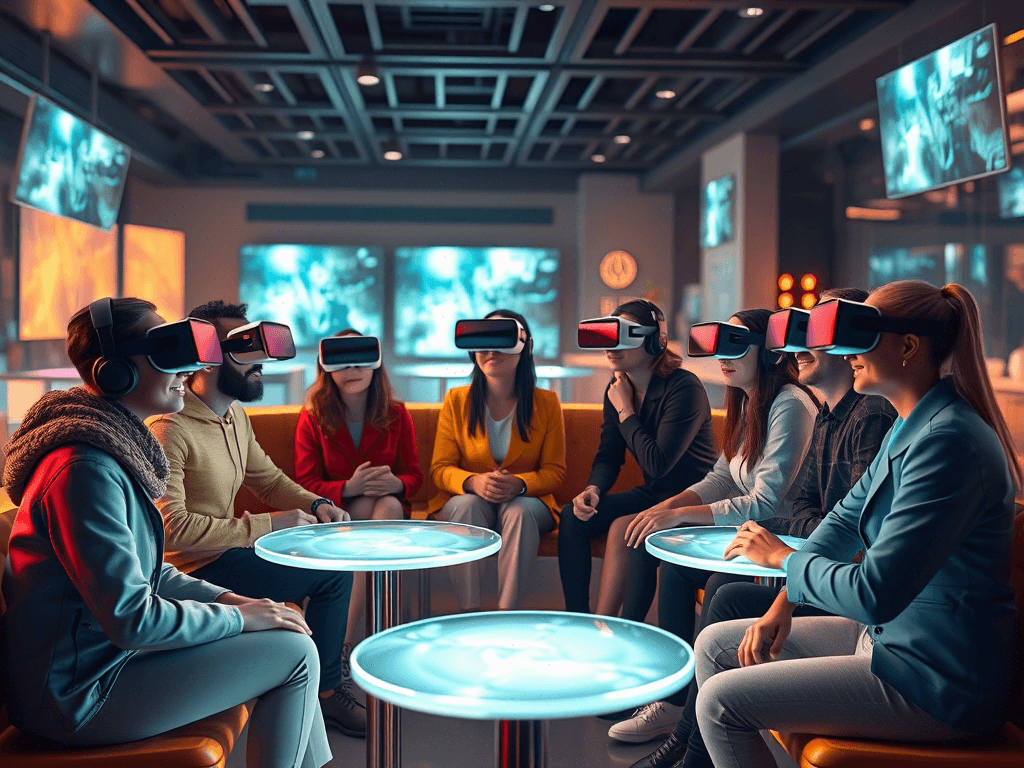
As technology continues to evolve at an unprecedented pace, the concept of the metaverse has emerged as a focal point for discussions about the future of social interaction and commerce. Envisioned as a collective virtual space that transcends physical limitations, the metaverse integrates virtual reality (VR), augmented reality (AR), and the internet, creating immersive experiences that reshape how we connect, communicate, and conduct business. This article explores the burgeoning landscape of the metaverse, its implications for society, and the challenges that lie ahead.

Understanding the Metaverse
The term “metaverse” was popularized by Neal Stephenson in his 1992 novel, “Snow Crash,” where it described a virtual reality space inhabited by avatars of real people. Today, the metaverse encompasses a variety of digital environments, where users can interact through avatars, engage in creative experiences, and conduct transactions much like in the physical world. Companies like Meta (formerly Facebook), Microsoft, and Google are making significant investments in metaverse technologies, suggesting a collective belief that the metaverse represents the future of digital interaction.
Social Interaction in the Metaverse
In the metaverse, social interaction takes on a new form. Users can connect with friends, family, and strangers from around the globe in virtual environments that can mimic real-world experiences or offer completely fantastical worlds. These interactions occur through customizable avatars, which allow users to express themselves in ways that may not be possible in the physical world.
Enhanced Communication
The metaverse provides new channels for communication, blending the audibility and visual elements of video conferencing with the immersive quality of VR. People can attend concerts, participate in events, or just hang out in virtual coffee shops from the comfort of their homes. This technological leap is especially valuable for individuals with mobility challenges or those living in remote areas, allowing them equal access to social experiences.
Community Building
From gaming communities to virtual professional networks, the metaverse enables users to create and participate in diverse communities. These communities are often defined by shared interests, hobbies, or professional goals and can serve as platforms for collaboration, learning, and socialization. The metaverse breaks down geographical barriers, allowing like-minded individuals to connect and build relationships regardless of physical distance.

Commerce in the Metaverse
As social interaction evolves, so too does commerce. The metaverse opens up innovative ways for businesses to reach consumers, market products, and facilitate transactions. Virtual storefronts, immersive advertising experiences, and digital goods are becoming prevalent, creating new revenue streams for entrepreneurs and established companies alike.
Virtual Real Estate
One of the most intriguing aspects of commerce in the metaverse is the rise of virtual real estate. Users can purchase land within various metaverse platforms, where they can create virtual shops, galleries, or entertainment venues. High-profile sales, often reaching millions of dollars, have garnered widespread attention, showcasing investment potential in this new digital frontier.
Digital Assets and NFTs
Non-fungible tokens (NFTs) have become a prevalent form of digital ownership within the metaverse. Artists, musicians, and content creators are leveraging NFTs to sell their work directly to consumers, bypassing traditional gatekeepers. This shift in ownership and monetization allows creators to maintain greater control over their intellectual property and establish direct connections with their audiences.
Experiences Over Goods
The metaverse is shifting consumer preferences from tangible goods to experiential interactions. Brands are beginning to create immersive experiences that engage customers in unique ways. For instance, virtual fashion shows, exclusive virtual events, and interactive campaigns offer consumers a taste of the brand that transcends traditional advertising.
Challenges Ahead
Despite the immense potential of the metaverse, several challenges must be addressed. Chief among these is ensuring user safety and privacy. As interactions become more immersive, concerns regarding harassment, data security, and identity theft could diminish the positive aspects of the metaverse.
Additionally, there is the issue of accessibility. Ensuring that the metaverse is inclusive for all individuals, regardless of their technological proficiency or physical capabilities, is crucial for its success. Addressing these challenges requires collaboration between tech companies, governments, and civil society.
Conclusion
The metaverse represents a significant evolution in how we interact with each other and conduct business. As we stand on the precipice of this new virtual frontier, it is essential to navigate its complexities mindfully, ensuring that the metaverse remains a space for positive social interaction and innovative commerce. The journey ahead is sure to be filled with both exciting opportunities and significant challenges, but one thing is clear: the metaverse is set to redefine our understanding of community and economy in the digital age.
[ad_2]