[ad_1]
In today’s world, where technology permeates almost every aspect of our daily lives, the ethical implications of its use have come to the forefront of public discourse. From the smartphones in our pockets to the algorithms driving decision-making in companies and governments, the need to navigate issues of privacy and accountability has become increasingly critical. As digital innovations continue to advance, they bring both opportunities and challenges, raising profound questions about our values and principles in the context of technology.
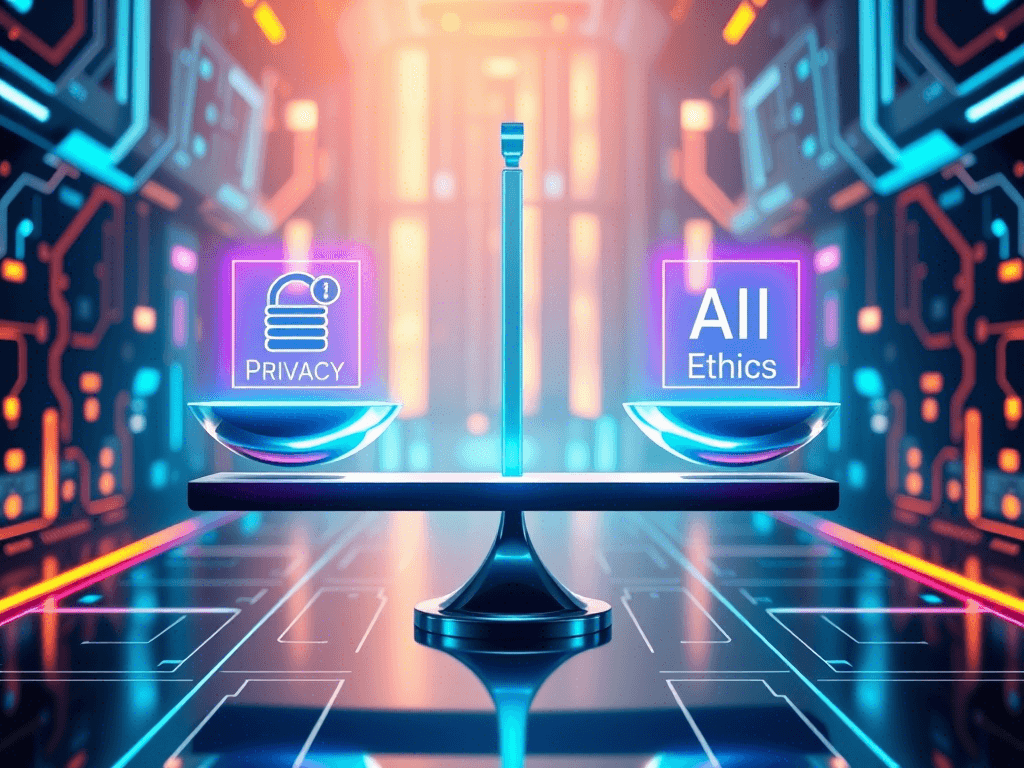
The Privacy Paradox
Privacy has emerged as one of the most pressing ethical concerns in the digital age. With the advent of Big Data and the Internet of Things (IoT), personal information is being collected, stored, and analyzed on an unprecedented scale. Whether it’s through social media platforms, online banking, or smart devices at home, individuals are often unaware of how much data is being harvested and for what purposes.
The privacy paradox refers to the conflicting attitudes people exhibit regarding their privacy. While many individuals express a desire for greater control over their personal data, they often engage in behaviors that compromise their privacy. The allure of free services often leads to a trade-off where convenience takes precedence over safeguarding personal information. Consequently, businesses’ responsibility to uphold ethical standards regarding data privacy has never been more urgent. Companies must navigate the fine line between utilizing data analytics for innovation and protecting user privacy, ensuring that consent is obtained and that data is used transparently and responsibly.
Accountability in a Digital World
As technology companies gain power and influence, the call for accountability in their practices becomes louder. Ethical considerations surrounding algorithmic decision-making, automated systems, and artificial intelligence (AI) have raised concerns about bias, discrimination, and a lack of transparency. Algorithms can perpetuate existing inequalities and create systemic problems if they are trained on biased data or lack oversight.
For instance, AI systems used in hiring processes or loan approvals can inadvertently discriminate against marginalized groups due to the biases embedded in their training data. This raises a critical ethical question: who is responsible when technology contributes to inequality or harm? As tech companies wield significant social influence, they must be held accountable not only for the impacts of their products but also for the ethical standards underlying their development and deployment.
Regulatory frameworks have slowly started to catch up to these challenges, with initiatives like the General Data Protection Regulation (GDPR) in Europe setting guidelines for data privacy and accountability. However, enforcing compliance and ensuring ethical practices across the tech landscape requires a collective effort involving policymakers, industry leaders, and consumers.

From Ethics to Action
Recognizing and addressing ethical dilemmas in technology requires a multi-faceted approach. Here are several strategies that can be employed:
-
- Incorporating Ethical Design Principles: Tech companies should adopt ethical design practices that put user privacy and well-being at the forefront of product development. This involves conducting ethical impact assessments, considering potential long-term societal implications, and integrating privacy-by-default settings.
-
- Transparency and User Empowerment: Organizations should prioritize transparency regarding data practices and empower users through clearer consent processes. Educating users about their rights and the implications of their data-sharing choices fosters a culture of informed participation.
-
- Diverse Representation in Tech Development: Promoting diversity in tech teams can lead to more inclusive products and services. Diverse voices can help identify and address potential biases and blind spots in technology design, ultimately leading to fairer outcomes.
-
- Collaborative Regulation: Engagement between tech companies and regulators is essential in developing appropriate frameworks that encourage innovation while safeguarding public interest. This collaborative approach can help create standards that evolve with the rapidly changing technological landscape.
-
- Continuous Ethical Training: Emphasizing ethics in technical education and training is crucial. Organizations should foster an ongoing dialogue about the ethical implications of technology among their workforce and encourage a culture of ethical responsibility.
Conclusion
As we navigate the complexities of the digital era, the ethical considerations surrounding technology demand urgent attention. Privacy and accountability are not just compliance requirements, but foundational elements for trust and integrity in our increasingly interconnected world. By prioritizing ethical principles, fostering transparency, and holding ourselves and organizations accountable, we can ensure that technology serves as a force for good rather than a vector of harm. In doing so, we pave the way for a digital future that respects individual rights and enhances collective well-being.
[ad_2]