[ad_1]
Tech for Good: Innovative Solutions Tackling Global Challenges
In recent years, the phrase “Tech for Good” has gained significant traction across various sectors, capturing the imagination of entrepreneurs, innovators, and social activists alike. This movement is driven by the belief that technology can and should be harnessed to address pressing global challenges such as poverty, inequality, climate change, and access to education and healthcare. This article explores how innovative solutions are being deployed to create a positive impact, fostering a sustainable and equitable future.
Bridging the Digital Divide
Despite advances in technology, significant portions of the global population still lack access to basic digital tools and the internet. Organizations like Google, Microsoft, and Facebook have initiated projects aimed at bridging this digital divide. For example, Google’s “Next Billion Users” initiative focuses on improving internet connectivity in underserved regions through low-cost smartphones and affordable data plans. By expanding access to technology, these efforts enable individuals in remote areas to participate in the digital economy, enhancing their opportunities for education and employment.
Environmental Sustainability
The climate crisis is one of the most urgent challenges facing humanity. Innovative technologies are emerging to combat this existential threat. For instance, companies like Tesla are revolutionizing the automotive industry with electric vehicles, reducing dependence on fossil fuels. Similarly, the rise of renewable energy technologies, such as solar panels and wind turbines, has made it more feasible to transition from carbon-intensive energy sources to cleaner alternatives. Additionally, startups like Perfect Day are leveraging biotechnology to create dairy products without animal agriculture, significantly reducing greenhouse gas emissions associated with livestock farming.

Health Innovations
The healthcare sector has also seen remarkable technological advancements that address global challenges. Telemedicine platforms, such as Doctor on Demand and Teladoc, have become indispensable, especially in the wake of the COVID-19 pandemic. These platforms allow patients, regardless of their geographic location, to consult with healthcare professionals remotely. Furthermore, wearable technology—like smartwatches that monitor heart rates and blood oxygen levels—empowers individuals to take charge of their health, leading to proactive management of chronic disease and improved overall well-being.
Artificial Intelligence (AI) is being leveraged to predict and respond to healthcare needs more effectively. For instance, IBM’s Watson Health uses AI to analyze vast amounts of medical data, helping doctors make informed decisions about treatment options. This has the potential to improve patient outcomes, especially in regions with limited access to specialized medical care.
Education for All
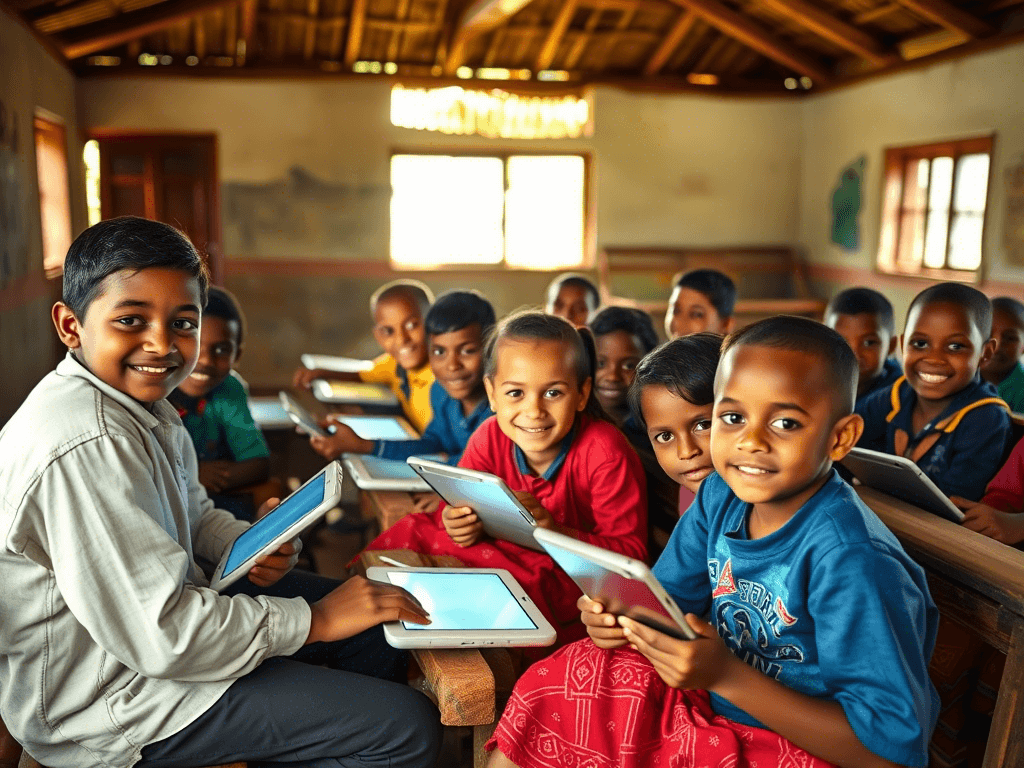
Education remains a critical barrier to economic development and social equity. Technology has the power to democratize access to quality education. Platforms like Khan Academy and Coursera provide free or low-cost educational resources that can reach anyone with an internet connection. Initiatives like One Laptop per Child seek to provide children in developing countries with access to computers, enabling learning opportunities that were previously inaccessible.
Moreover, gamification in learning—through platforms like Duolingo—uses game-like elements to make education engaging and enjoyable. This approach increases student motivation and retention, making learning more effective and accessible.
Social Empowerment and Inclusion
Advances in technology are fostering social empowerment and inclusion for marginalized communities. Crowdfunding platforms like GoFundMe and Kickstarter enable individuals to support social causes, entrepreneurial endeavors, and community projects. Social enterprises like Warby Parker and TOMS have embedded social missions into their business models, donating a pair of glasses or shoes for every item sold, respectively.
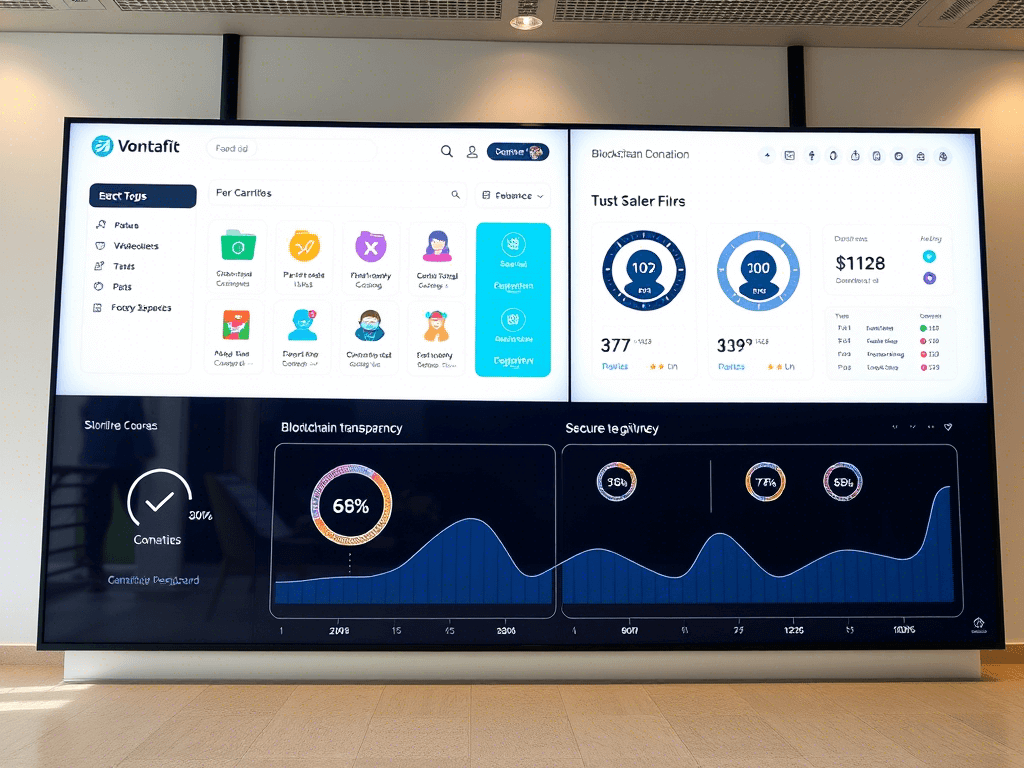
Blockchain technology is also playing a pivotal role in promoting transparency and accountability in charitable giving. By tracking donations on decentralized platforms, donors can ensure their contributions are utilized effectively. Initiatives like “GiveDirectly” leverage technology to provide cash transfers to impoverished individuals, allowing them to make choices that best suit their needs.
The Future of Tech for Good
As we look towards the future, the potential of technology to drive positive social change is immense. However, there are challenges that must be addressed, including ethical considerations regarding data privacy, the environmental impact of technology production, and ensuring that innovation benefits all, not just a privileged few.
To truly harness the power of technology for good, collaboration is vital. Partnerships between governments, private corporations, non-profit organizations, and local communities can foster holistic solutions that are sustainable and equitable. Initiatives that promote innovation while keeping social and environmental impact at the forefront will ensure that tech can indeed be a force for good.
In conclusion, the “Tech for Good” movement represents a transformative approach to solving some of the world’s most pressing challenges. By leveraging innovative technologies and fostering collaboration, society has the potential to create a more equitable, sustainable, and just world for all. As we continue to explore the myriad ways in which technology can uplift communities and drive positive change, the journey toward a better future is undoubtedly an exciting one.
[ad_2]